The JNU Hospital Blood Centre is equipped with state of the art technology for blood testing, collection, component separation and other procedures.
The best blood bank in Jaipur operates on a 24X7 basis and follows good manufacturing practices controlled by quality standards while issuing blood components to patients. It strives to provide safe blood products and follows a rigorous system to issue the right component with right quality, right quantity, to right patient at the right time.
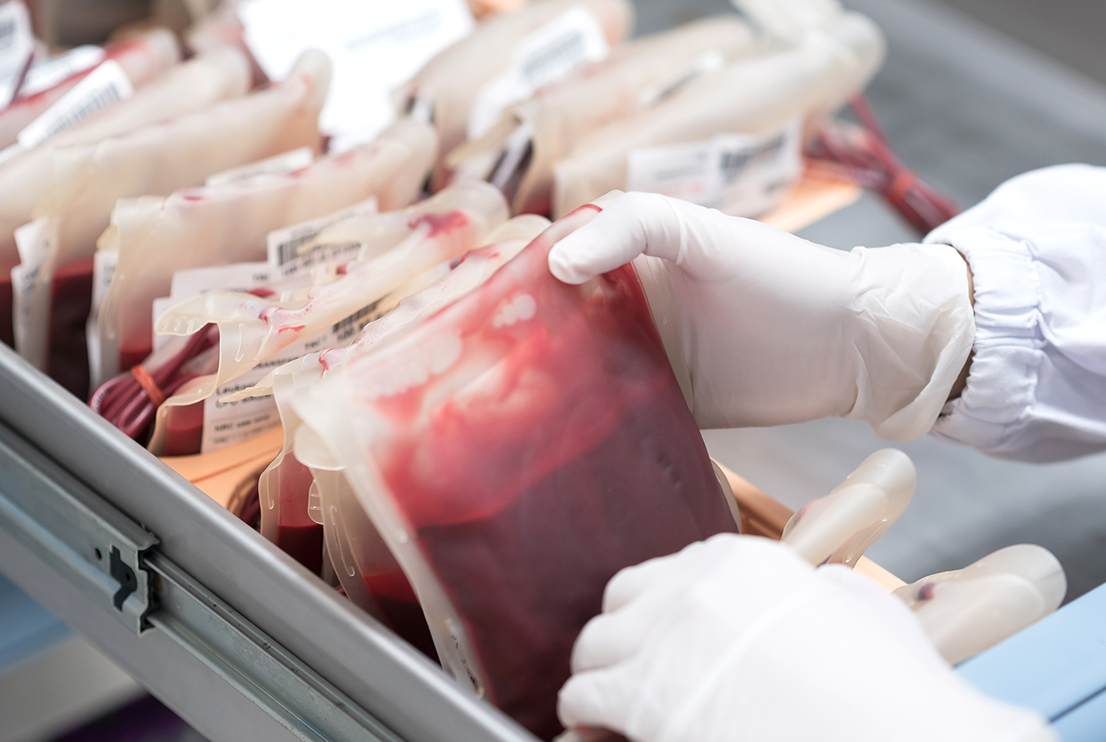
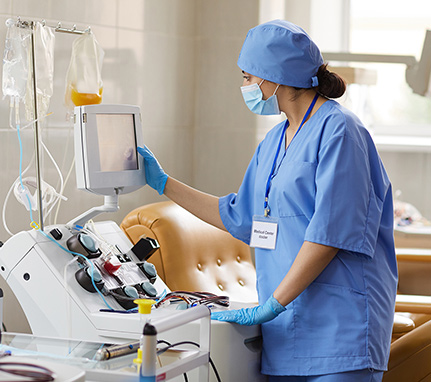
JNU Hospital is home to a modern blood bank in Jaipur, equipped with state-of-the-art technology to ensure the safe collection, processing, storage, and distribution of blood and blood components. Our advanced blood centre features an Apheresis Machine for the collection of Single Donor Platelets (SDP) and plasma in a dedicated donor area with specially designed donor couches, ensuring maximum comfort and safety for donors. As a trusted blood bank Jaipur, we adhere to stringent quality and safety protocols to support emergency care, surgeries, trauma cases, and patients requiring specialized transfusion services.
We also offer plasma therapy, also known as COVID-19 Convalescent Plasma (CCP) therapy, which involves the administration of plasma collected from individuals who have recovered from COVID-19 to eligible patients battling the infection. This therapy is provided under appropriate medical guidelines and clinical supervision to support patient care whenever indicated.
A unit is about 450 ml of donated blood. The average adult has between four and five litres of blood in his or her body, and can easily spare one unit.
Usually the minimum interval between whole blood donations is 12 weeks for men and 16 weeks for women. Moreover, platelet and plasma donors are able to donate more frequently.
No. You cannot get AIDS or any other infectious disease by giving blood. In fact, the materials used for your blood donation, including the needle, blood collection bag, tubes and finger prick needle are new, sterile and disposable.
The procedure, which is performed by a trained, skilled health-care professional, takes approximately 30 minutes. The donor will give about 450 ml of blood, after which he will be advised to remain on the donor bed for a few minutes longer and then to take some refreshments.
No. There may be a little sting when the needle is inserted, but there should be no pain whatsoever during the rest of the donation.
The human body replaces the blood volume (plasma) within 24 hours. Red blood cells are replaced by the bone marrow into the circulatory system within about three to four weeks, while the lost iron is replaced over approximately six to eight weeks.
Yes, if you are feeling well.