Nephrology is a fast emerging branch of medical science with the latest developments at international level, to treat various diseases.
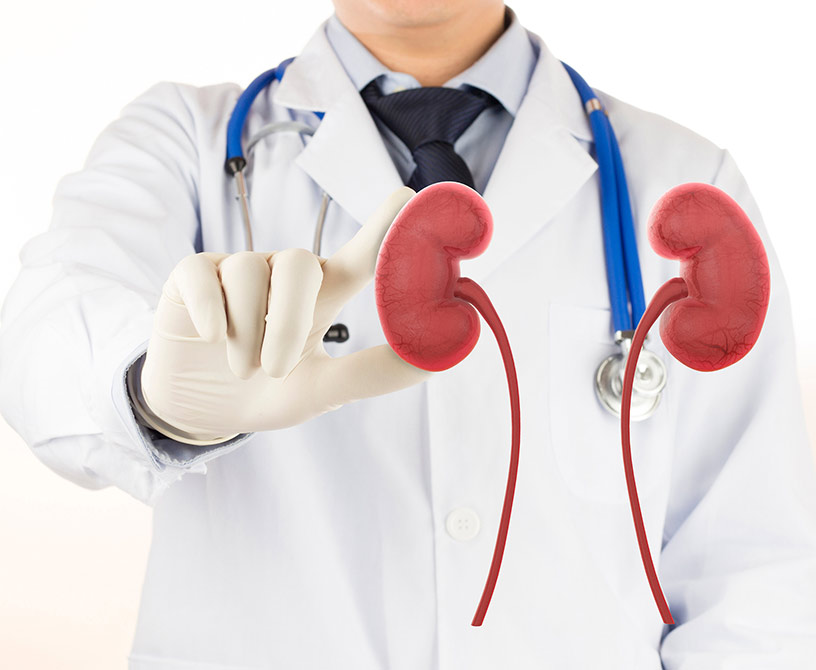
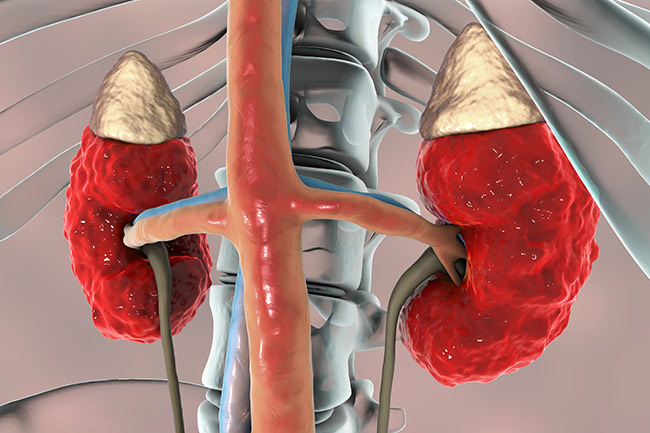
The kidney specialist hospital in Jaipur mainly focuses on the overall health and function of the kidneys, including diagnosis and treatment of kidney conditions. Kidneys are bean-shaped organs located on either side of the spine, right below the ribcage behind the abdomen, and play a vital role within the human body. Its role includes:
The Nephrology Unit at JNU Hospital meets the stringent criteria as any other international level hospitals.
At JNU Hospital, Paediatric Nephrology is the highlight of this department dealing in all types of nephrology diseases including Hemo-Dialysis and peritoneal dialysis in even neonates and all paediatric age group. Besides Renal Biopsy in all age groups, all types of Vascular access including temporary Double Lumen Cathers, Permacath and AVF are provided at the dialysis centre in Jaipur in the department.
At Division of Nephrology of JNU, we invest our efforts, time, and expertise to detect and treat various types of Ailments
A kidney disorder that causes the body to excrete too much protein in the urine. Nephrotic syndrome is often caused by damage to small blood vessels in the kidneys that filter waste and excess water from the blood. An underlying health condition usually plays a role, which requires a medical diagnosis. Symptoms include swelling around the eyes and in the feet and ankles, foamy urine and weight gain due to excess fluid retention. Symptoms and Sign : Whole body: Blood clots, Fatigue, or Loss of Appetite Gastrointestinal: Bloating or fluid in the abdomen Also common: Swelling in extremities, foamy urine, generalized body swelling, puffy eyes, or weight gain Treatment: Treatment addresses underlying conditions and might include blood pressure medication and water pills. Self-care: Low sodium diet Medications: Diuretic, ACE inhibitor, Antihypertensive drug, Statin, Steroid and Immunosuppressive drug.
View DetailGlomerulonephritis is inflammation of the tiny filters in kidneys (glomeruli). Glomeruli remove excess fluid, electrolytes and waste from your bloodstream and pass them into your urine. Glomerulonephritis can come on suddenly (acute) or gradually (chronic). Symptoms and Sign : Fatigue High blood pressure Swelling of the face, hands, feet, and belly Blood and protein in the urine (hematuria and proteinuria) Decreased urine output Causes: The acute disease may be caused by infections such as strep throat. It may also be caused by other illnesses, including lupus, Goodpasture's syndrome, Wegener's disease, and polyarteritis nodosa. Early diagnosis and prompt treatment are important to prevent kidney failure. Treatment : Diet less protein, salt and potassium. Corticosteroids such as prednisone. Dialysis, which helps clean the blood, remove extra fluid and control blood pressure. Diuretics (water pills) to reduce swelling.
View DetailAn infection in any part of the urinary system, the kidneys, bladder or urethra. Urinary tract infections are more common in women. They usually occur in the bladder or urethra, but more serious infections involve the kidney. Pain areas: in the bladder, groin, lower abdomen, or pelvis. Symptoms : Pain circumstances: can occur during urination or during sexual intercourse Urinary: foul smelling urine, frequent urination, bladder spasm, cloudy urine, dark urine, persistent urge to urinate, sense of incomplete bladder emptying, or blood in urine Whole body fatigue, fever, or malaise Also common: cramping or vaginal irritation Treatment : Common treatment is with antibiotics. Self-care Urinating after sexual intercourse
View DetailA small, hard deposit that forms in the kidneys and is often painful when passed. Kidney stones are hard deposits of minerals and acid salts that stick together in concentrated urine. They can be painful when passing through the urinary tract, but usually don't cause permanent damage. Symptoms : The most common symptom is severe pain, usually in the side of the abdomen, that's often associated with nausea. Diagnosis : Radiological investigation includes Ultrasound of kidney and urinary tract and X-ray Others: urine examination Treatment: Fluid therapy - antibiotics, anti-spasmodic and surgical intervention
View DetailAcute kidney disease occurs when the kidneys suddenly stop functioning for a short period of time. This can range from one day to a few weeks. The lack of blood filtration leads to the accumulation of toxins and electrolytes in the body which can be severe. Also known as acute kidney injury or acute kidney failure, the condition can be reversible, although it may require immediate treatment. Diagnosis of the condition is done through blood and urine tests. Causes: Obstruction in the urinary tract Blood loss Sudden and severe infection Dehydration Liver failure Toxicity from certain medications Autoimmune kidney disorders Blood clots Treatment of Acute Kidney Disease: After a definite diagnosis of acute kidney failure, the treatment options are recommended depending on the underlying cause. The treatment options for acute kidney failure include: Medication that can control minerals in the blood Adopting a diet which has less potassium and salt Hemodialysis
View DetailAlso known as chronic kidney failure, chronic kidney disease is the loss of function of the kidneys over a long period of time. If the problem is not addressed earlier, then the patient may suffer permanent kidney failure, which is not reversible. Chronic kidney disease can go undiagnosed for a long period of time due to the minimal symptoms it presents. It only becomes apparent when the symptoms become quite severe due to the impairment of the kidney functions. Causes High blood pressure Polycystic kidney disease: This is a genetic condition that occurs as a result of cysts in both kidneys. Diabetes: Type 1 or type 2 Obstruction of the urinary tract due to kidney stones, tumors, or enlarged prostate Kidney stones: This is a very common kidney condition that occurs when substances in the blood form stones in the kidneys. These stones are usually passed out during urination. Cardiovascular disease Genetics: History of kidney disease in the family Aging Symptoms Low urine output Blood in the urine Persistently itchy skin Tiredness Swollen feet and ankles Nausea Loss of appetite High blood pressure Breathlessness Trouble sleeping Muscle cramps Chronic kidney disease is usually diagnosed through blood and urine tests, imaging, and through a biopsy. Treatment: At the moment, there is no one particular cure of chronic kidney disease, but there are treatment options for the symptoms. These include: Taking an array of medications including antihistamines for itchy skin, iron supplements and blood transfusion for anemia, blood pressure medications, anti-nausea medications, and home remedies including a diet low in proteins and phosphates. If the kidneys have reached the end-stage, which means they are functioning at less than 15% capacity, the patient would need to undergo routine dialysis (hemodialysis or peritoneal dialysis), or a kidney transplant in order to live.
View DetailIn hemodialysis, a machine filters wastes, salts and fluid from your blood when your kidneys are no longer healthy enough to do this work adequately.

Plasmapheresis is a process in which the liquid part of the blood, or plasma, is separated from the blood cells.
A kidney transplant is a surgery done to replace a diseased kidney with a healthy kidney from a donor.
Type of dialysis which uses the peritoneum in a person's abdomen as the membrane through which fluid and dissolved substances are exchanged with the blood. It is used to remove excess fluid, correct electrolyte problems, and remove toxins in those with kidney failure.
At usual Sites are internal jugular vein, Subclavian, Femoral vein Under Local Anaesthesia.
These procedures are done in ICU and CCU in critical patients regularly by qualified persons.
A kidney biopsy is a procedure to remove a small piece of kidney tissue that can be examined under a microscope for signs of damage or disease. Your doctor may recommend a kidney biopsy — also called renal biopsy — to diagnose a suspected kidney problem.
JNU is home to some of Nephrology of whom are pioneers in their respective arenas and are renowned for developing innovative and revolutionary procedures