

The cause of hernias is unknown. Men and women of all ages can develop a hernia, but possible triggers include the following:
- Older than 50
- Pregnancy
- Obesity
Persistent pressure on the muscles of the hiatus caused by:
- Coughing
- Vomiting
- Straining while having a bowel movement
- Sudden physical exertion
- Lifting heavy objects
Most of the time, a hernia does not cause Symptoms but when it does they include:
-
Heartburn
- Belching
- Nausea
- Vomiting
- Regurgitation or backflow of stomach contents into the esophagus
More severe Symptoms are usually associated with a paraesophageal hernia. Those signs and Symptoms include:
- Intermittent difficulty swallowing, especially solid foods
- Feeling full after eating only a small amount of food
- Abdominal or chest pain
- Difficulty breathing after meals or increased shortness of breath
- Voice changes
- Abdominal bleeding, the signs of which can be: Bright red blood in vomit
- Dark red or black stools
- Anemia
- Blood test showing there is blood loss
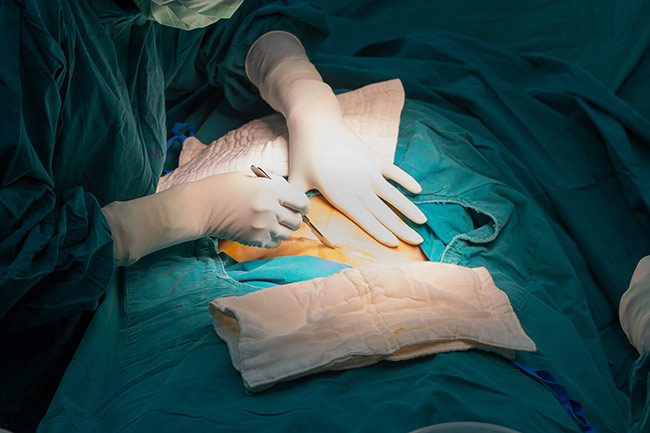
Patients with paraesophageal hernias may have a significant portion of their stomach or other abdominal organs push up into their chest. In severe cases, the stomach or abdominal organs may rotate or twist, causing severe pain. This is a medical emergency and will likely require immediate surgery.
- Strangulation (twisted in a way that cuts off blood supply to the stomach
- Severe gastroesophageal reflux disease (GERD)
- Esophagitis (inflammation of the esophagus)
- Chronic anemia or need for blood transfusions
- Recurrent pneumonia or infection
- Pain or inability to vomit