The Department of Ophthalmology at JNU Hospital aims to provide specialized management, treatment and a comprehensive approach to symptoms and diseases related to the ocular system.
The patients are able to access medical services in the speciality departments that will include excellent infrastructure, the latest equipment, modernized facilities, and the best eye specialist in Jaipur.
The following speciality clinics are available at the Department of Ophthalmology at JNU.
Cataract and IOL : Perform cataract surgeries with cutting edge technology, ensuring the highest quality care.
Glaucoma : Deals with every type of glaucoma surgery – congenital, open-angle, narrow-angle and normal tension. Treatment is also provided to the patients who have had unsuccessful glaucoma surgery, secondary glaucoma and advanced glaucomatous optic atrophy.
Oculoplasty : Handling of anomalies of lids, lacrimal system, extraocular structure, bony orbit and other ocular adnexa with support from microbiology, anthology and radiology department.
Cornea : Offers a comprehensive range of routine, complex and high-risk corneal and eternal disease and correction of refractive errors.
Vitreo-Retina : Deals with diseases of retina including macular degeneration, diabetic retinopathy, myopic degeneration and retinal detachment.
Paediatric : Offers complete eye examination for children, diagnosis and treatment for complex eye disorders through medical and surgical plans. Patients with strabismus are treated with eye muscle surgery. The best eye hospital in Jaipur also deals with low vision patients.

The list of diagnostic and clinical services provided by the department has been listed below.
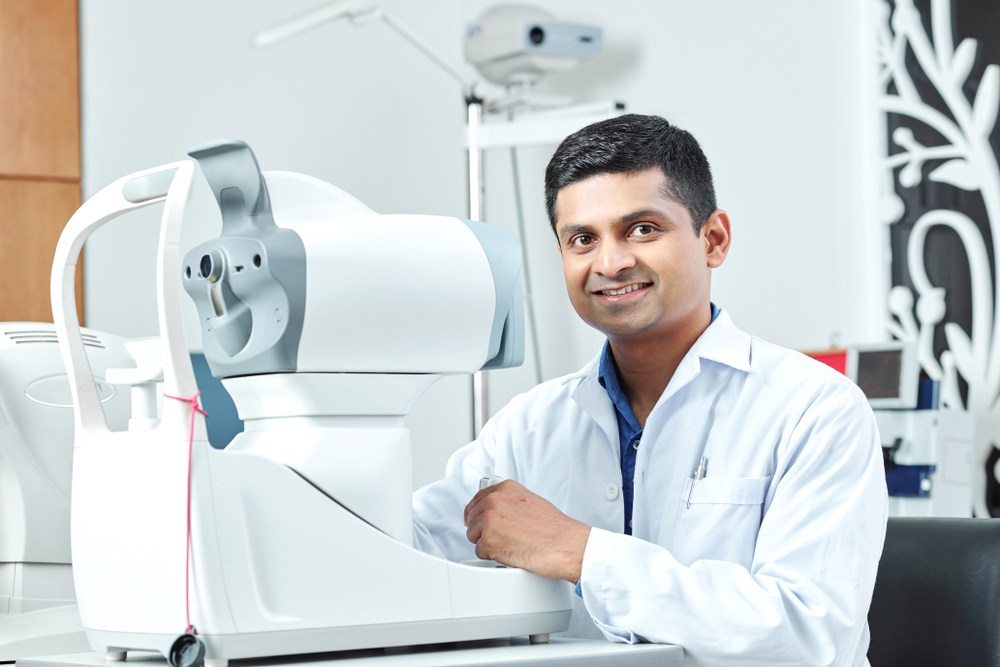


The department of Ophthalmology at JNUIMSRC is one of the premium eye care centers in Jaipur. Our professional team excels in diagnosing and providing a holistic treatment facility for complete eye care. Ailments such as cataract, glaucoma, retina, corneal diseases, and lid disorders are treated with an utmost precision by the highly experienced team of experts. With sincere dedication to serving our community, the department caters to the needs of the patients from far-off districts in the state of Rajasthan as well as neighboring states. Regular eye health checkup camps in the rural areas and tertiary care centers are actively conducted throughout the year. The department is affiliated with Eye Bank Society, Rajasthan, and is a clinical hub for keratoplasty procedures.
At Division of Ophthalmology of JNU, we invest our efforts, time, and expertise to detect and treat various types of Ailments.
Eyestrain occurs when eyes get fatigued from intense use, such as while driving or using digital devices for a longer duration. In some cases, eyestrain indicates an underlying eye condition requiring intensive treatment. Symptoms and signs of eyestrain Burning or itching sensation Watering or Blurred vision Headache and eye ache Difficulty concentrating Causes Looking at digital device screens for a longer duration Driving long distances Exposure to bright and dim light Dry eyes or uncorrected vision (refractive error)
View DetailExtended use of computers and other digital devices is one of the most common causes of eyestrain. The American Optometric Association calls this computer vision syndrome or digital eyestrain. Computer use strains eyes more than reading print material because people tend to: Cavities are permanently damaged areas of decay in the hard surface of your teeth that develop into tiny openings or holes Blink less while using computers View digital screens at less than ideal distances Excessive glare or reflection from screen Poor contrast between the text and the background Complications Eyestrain doesn't cause serious complications, but it can be unpleasant, leading to tiredness and reduced concentration. Diagnosis Ophthalmologist will ask questions about your symptoms. An eye exam will be performed, including testing your vision and refractions. Treatment Making changes in daily habits or environment. Wearing prescribed glasses for specific activities, such as for computer use or for reading, helps reduce eyestrain.
View DetailBlepharitis is inflammation of the eyelids along its edges. It commonly occurs when tiny oil glands near the base of the eyelashes become clogged, causing irritation and redness. Several diseases and conditions can cause blepharitis. It is often a chronic condition that is difficult to treat. But it usually doesn't cause permanent damage to your eyesight, and it's not contagious.
View DetailDiabetic retinopathy is a complication of diabetes that affects the eyes. It's caused by damage to the blood vessels of the retina. The condition can develop in anyone with type 1 or type 2 diabetes. Longer duration and uncontrolled diabetes are the greatest risk factor for developing diabetic retinopathy. Therefore, it is crucial to get in touch with the best diabetes specialist for precise diagnosis report, and treatment.
View DetailPink eye (conjunctivitis) is an inflammation or infection of the conjunctiva that lines your eyelid and covers the white part of your eyeball.
View DetailGlaucoma is an eye condition damaging the optic nerve, which is caused by abnormally high pressure in your eyes. Because vision loss due to glaucoma can't be recovered, it's important to have regular eye exams that include measurements of eye pressure so a diagnosis can be made in its early stages and treated appropriately.
View DetailA cataract is a clouding of the normally clear lens of the eye. Cataract develops in old age but can be due to other causes such as trauma, diabetes,childhood cataract.
View DetailWet macular degeneration is a chronic eye disorder that causes blurred vision or a blind spot in your visual field. It's generally caused by abnormal blood vessels that leak fluid or blood into the macula, which is a part of the retina responsible for central vision. Wet macular degeneration is one of two types of age-related macular degeneration. The other type — dry macular degeneration — is more common and less severe. The wet type always begins as the dry type.
View DetailPresbyopia is the gradual loss of your eye's ability to focus on nearby objects after around 40 years of age continues to worsen till 60. It's a natural but annoying condition.
View DetailPresbyopia is the gradual loss of your eye's ability to focus on nearby objects after around 40 years of age continues to worsen till 60. It's a natural but annoying condition.
View DetailInflammation of lacrimal sac in known as dacryocystitis. If this inflammation persists for more than a month, it is known as chronic dacryocystitis.

Pterygium is a degenerative condition of the subconjunctival tissue in which the conjunctiva starts encroaching the cornea. It's a very common ocular disease in areas of hot, humid and dry climatic conditions. People who are more exposed to UV radiations are more prone for this condition.
Glaucoma is defined as a group of eye diseases which damage the optic nerve. Glaucoma accounts be for almost 5.8% cases of blindly in 50+population. Glaucoma is a silent disease that can lead to permanent loss of vision.
Extracapsular cataract extraction by phacoemulsification along with foldable posterior chamber intraocular lens implantation in the bag is the treatment of choice.
Diseases of cornea are one of the leading cause of blindness worldwide. Approximately there are around 1,20,000 corneal blinds, and there occurs an additional 25000- 30000 corneal blindness cases every year in the country.
JNU is home to some of the most eminent doctors in the world, most of whom are pioneers in their respective arenas and are renowned for developing innovative and revolutionary procedures